
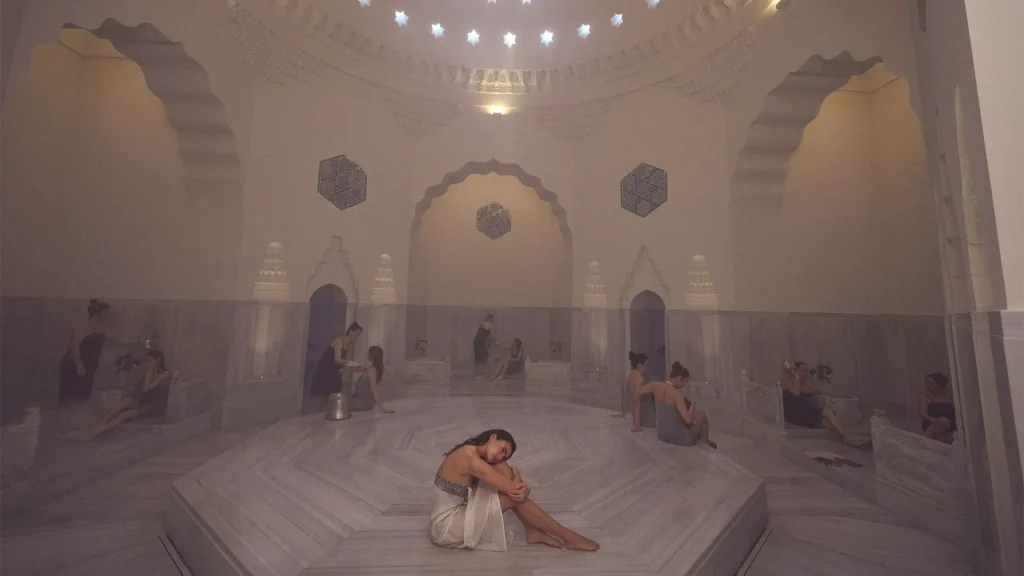
Turkish Hammam 101 invites you into a warm, steam-filled world where a revered cultural ritual becomes a social and sensory journey of scent, heat, and quiet reverie. From the marble rooms to the aromatic steam of a traditional Turkish bath, the turkish steam bath ambiance, and the step-by-step routine that defines the experience for first-time visitors and seasoned travelers alike. It also highlights hammam etiquette and practical tips for participating with grace, sensitivity to others, and a mindful pace, whether you visit a centuries-old hamam or a modern spa-inspired facility for all guests. You’ll discover what to bring, how to dress, and what to expect from the kese, the soap massage, and the cleansing oils that compose the signature bath ritual tailored to comfort. By the end, you’ll feel prepared, relaxed, and connected to a centuries-old tradition that welcomes travelers and locals, inviting curiosity and a sense of shared hospitality today.
Viewed through an alternative lens, this topic resonates as the Turkish bath tradition—a cultural cleansing ritual rooted in centuries of community life and architectural grandeur. From the steam-filled rooms to the stone slabs, the experience is linked to spa heritage, the Turkish steam bath ambiance, and the social etiquette that governs how guests move, speak, and participate. Framed as a wellness ritual, the sequence balances heat, moisture, massage, and mindful breathing to renew body and spirit. In practice, visitors encounter a society-built setting that blends ritual cleansing with hospitality, often featuring kese scrubs, fragrant soaps, and attentive attendants. Using these varied terms aligns with Latent Semantic Indexing practices, helping readers and search engines connect this tradition to related topics such as public baths, steam rooms, and cultural etiquette.
Turkish Hammam 101: What to Expect at a Traditional Turkish Bath
Stepping into a Turkish hammam is stepping into a space where warmth and humidity welcome you, signaling the start of a cultural bath ritual rooted in history. The Turkish hammam is more than a spa treatment; it is a traditional Turkish bath that blends cleansing, social warmth, and mindful breathing to create a restorative experience. Expect the scents of olive oil, soap, and mineral-rich steam as you move through a ceremonial rhythm that has guided generations.
To prepare for this journey, plan ahead: check in, collect a pestemal, and dress modestly. The typical sequence includes a warm room acclimation, exfoliation with kese, a foamy soap massage, and a final rinse. Understanding this flow helps you participate with ease and respect the long-standing etiquette that makes the experience comfortable for everyone sharing the space.
The Anatomy of a Turkish Hammam: Layout, Rooms, and the Bath Ritual
Inside a Turkish hammam, the layout itself tells the story of the bath ritual. You’ll encounter distinct spaces—a warm sala for preheating the body, a hotter steam room to encourage perspiration, and a cleansing area with a large marble slab where treatments take place. The domed ceilings, marble surfaces, and the scent of olive oil define a timeless atmosphere that connects you to generations of bath-goers in the traditional Turkish bath setting.
Moving between rooms is part of the experience, with attendants guiding pace as heat and humidity rise. Conversations tend to be hushed to preserve the tranquil mood, and understanding the spatial flow helps visitors align with hammam etiquette and fully enjoy steam, massage, and cleansing as a cohesive ritual within a historic bath environment.
Hammam Etiquette and Social Cues: Do’s and Don’ts for First-Timers
Hammam etiquette sits at the heart of the experience. Soft voices, modest attire or towels, and respectful pacing help everyone share the space without distraction. In most facilities, gender-specific hours or sections may apply, and towels or pestemals are commonly used to maintain modesty between rituals in the traditional Turkish bath setting.
Observing cues—speaking softly, asking before photos, tipping for good service, and following staff instructions—ensures a smooth and respectful visit. The etiquette extends to personal boundaries and sensitivity to others’ comfort, reinforcing that the hammam is as much a social ritual as a cleansing one, with care for fellow guests and staff alike.
From Kese to Soap Massage: The Core Steps of the Turkish Steam Bath Experience
From kese exfoliation to a foam-laden soap massage, the core steps of the Turkish steam bath unfold in a deliberate sequence. The kese loosens dry skin on the marble slab as steam wraps the body, stimulating circulation and preparing the skin for cleansing. This exfoliating ritual is a hallmark of the Turkish steam bath experience, offering a tactile gateway to relaxation.
After the scrub, a generous foam massage coats the body in lather, followed by a soothing rinse. Traditional olive oil soaps or fragrant cleansers nourish the skin, while a final rinse clears away soap and oils. Hydration and mindful breathing complete the cycle, helping muscles relax and the mind settle into the bath ritual that many travelers remember long after leaving the hammam.
Practical Tips for Visiting a Traditional Turkish Bath: What to Bring, Wear, and Expect
Practical tips for visiting a traditional Turkish bath focus on preparation and comfort. Pack a pestemal or clean towel, a small bottle of water, and any preferred toiletries; many hammams supply basics, but having your own can enhance comfort. Wearing flip-flops and a waterproof bag makes it easier to move between spaces with hygiene in mind, while choosing fragrance-free products supports sensitive skin in the steam-heavy environment of the bath ritual.
Know what to wear and what to expect regarding gendered areas or private treatments, and plan extra time to acclimate to the heat. Hydration, listening to staff, and pacing yourself transform a visit into a rejuvenating bath ritual rather than a rushed spa experience, leaving you with renewed energy and cultural appreciation for the traditional Turkish bath.
Frequently Asked Questions
What is Turkish Hammam 101, and what should first-timers expect in a traditional Turkish bath?
Turkish Hammam 101 is your guide to the culture, rituals, layout, etiquette, and steps of the traditional Turkish bath. Expect a sequence that typically includes a warm room acclimation, a large marble slab for kese exfoliation, a foamy soap massage, a rinse, and a final rest in a humid, fragrant setting. The guide also explains how to dress, what to bring, and how to participate respectfully in the bath ritual.
How does hammam etiquette shape my behavior in a Turkish steam bath?
Hammam etiquette in a Turkish steam bath means speaking softly, dressing modestly with towels or pestemal, and following staff directions to respect others’ space. Be mindful of the room’s heat and humidity, keep conversations quiet, and observe any gender-segregation rules or private sections as posted. Tipping and asking about preferences are acceptable ways to show appreciation while maintaining a tranquil atmosphere.
What should I bring to a traditional Turkish bath according to Turkish Hammam 101?
Turkish Hammam 101 suggests packing a clean pestemal or towel, a small bottle of water, and any personal toiletries you prefer; many hammams provide basic soaps as well. Bring flip-flops or sandals for walking between rooms, a waterproof bag for wet items, and modest swimwear or a robe if the facility allows. If you’re sensitive to fragrances, consider unscented options and check ahead for facility-specific dress codes.
What is the role of the kese in the Turkish hammam ritual, and how is the exfoliation performed?
In Turkish Hammam 101, the kese exfoliation is a key part of the bath ritual in a traditional Turkish bath. The rough mitt is used on the warm marble slab to remove dead skin and is usually performed by an attendant or guided by you, followed by a generous soap massage. After exfoliation, expect cleansing oils and soap, then a rinse and rest to absorb the benefits.
How can I participate safely and respectfully in a Turkish steam bath to enjoy the bath ritual?
To participate safely and respectfully in a Turkish steam bath and enjoy the bath ritual, acclimate to the warm room, ask questions if you’re unsure, and hydrate before and after. Follow the hammam etiquette: speak softly, respect personal space, and move slowly between spaces, especially in humid areas. If you have sensitivities or medical conditions, inform staff and tailor the experience to your comfort.
| Aspect | Key Points |
|---|---|
| What is a Turkish Hammam? | Public bath rooted in Roman bathing culture and refined in the Ottoman era; a humid, steam-filled, sensory ritual with cleansing, massage, and soap lather that relaxes muscles and refreshes the skin. |
| Architecture and Spaces | Domed ceilings, marble slabs, and warm, humid rooms; spaces typically include a warm sala, a hotter steam room, and a cleansing area for treatments; the air carries olive oil scents and mineral-rich steam. |
| Ritual Sequence | Arrival and check-in; kese exfoliation on a marble slab; soap massage; rinse; rest. You may have a pestemal towel and will encounter gender-segregated spaces or designated hours depending on the facility. |
| Etiquette | Speak softly, dress modestly or with towels, follow staff guidance, respect personal space, and adapt pace to the room’s heat. Tipping is common in many hammams. |
| What to Bring / Dress | Clean towel or pestemal, flip-flops, a waterproof bag, water, and any preferred bathing products (though basic soaps are often provided). Some facilities offer robes; unscented options are good for sensitivities. |
| Typical Session — Step by Step | 1) Arrival and check-in; 2) Warm room acclimation; 3) Exfoliation with kese; 4) Soap and massage; 5) Rinse and rest. |
| Benefits | Relaxation, improved circulation, relief of muscle tension, smoother skin; hydration before and after enhances the experience. |
| Myths vs Realities | Myth: only locals. Reality: welcomes travelers and locals with multilingual staff. Myth: you must be naked. Reality: attire varies; towels or wraps are common. Myth: it’s only about scrubbing. Reality: includes cleansing, relaxation, social interaction, and mindfulness. |
| Health & Wellness | Hydration is important; The steam and heat aid cleansing and relaxation but pace yourself. Consult a healthcare provider if you have respiratory or cardiovascular concerns. |
| First-Timer Tips | – Plan for a longer session. – Don’t rush between spaces. – Ask questions if anything isn’t clear. – Hydrate before and after. – Request a slower, soothing massage if desired. – Respect quiet and others’ space. |

