
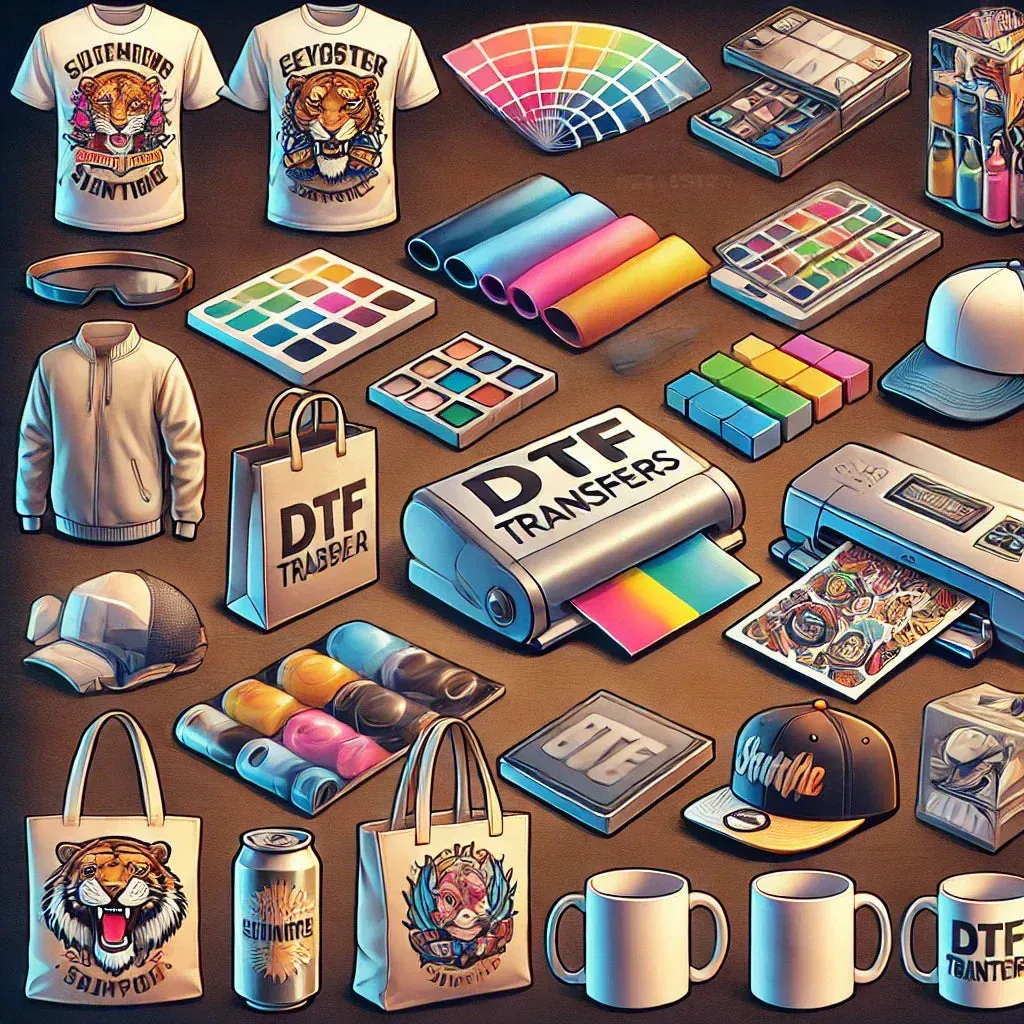
DTF transfer materials are the backbone of modern direct-to-film printing, shaping how designs move from digital files to fabric. The performance comes from the delicate balance of DTF films, DTF inks, and DTF adhesives, along with the overall direct-to-film printing materials and the DTF transfer process that delivers color, adhesion, and durability. Choosing the right combination dramatically affects image quality, wash durability, and production efficiency. This guide breaks down each component’s role and how to match them to substrates, printers, and press conditions. By testing, documenting, and refining your material choices, you can achieve consistent, high-impact results for apparel and beyond.
To frame the topic in semantic terms, this discussion centers on film carriers, colorants, and bonding layers that enable durable transfers. Viewed as an ecosystem, the film stock and coating, ink sets, and heat-activated adhesives must align with fabric types and end-use expectations. LSI principles encourage using related terms such as transfer media, printing substrates, and coating and release layers to support search relevance while keeping content natural. Ultimately, the goal is a cohesive transfer system that works in harmony with your printer, heat press, and chosen fabrics.
DTF transfer materials: Films, inks, and adhesives explained
DTF transfer materials are the foundation of any successful project. They consist of three core components—DTF films that carry the design, DTF inks that render color, and DTF adhesives that fix the image to fabric—each influencing image quality, wash durability, and production efficiency. When you understand how these elements interact, you can select a configuration that aligns with your printer, substrate, and heat-press setup, reducing reprints and waste. In practice, consider not only the component quality but also how well your chosen films, inks, and adhesives work together as a system within the direct-to-film printing materials ecosystem.
To optimize results, treat DTF transfer materials as a matched trio. A well-balanced combination—film opacity and surface coating, ink pigment or dye chemistry, and adhesive formulation—improves color reproduction, edge definition, and adherence through repeated washes. Start by defining your target fabrics and printing conditions, then evaluate film type, ink set, and adhesive compatibility against those parameters. This systematic approach is central to achieving reliable results in the DTF transfer process.
DTF films and substrate compatibility: Dark vs. light fabrics
DTF films are more than carriers; they determine how cleanly the image releases and how vividly it transfers to fabric. When selecting DTF films, consider coating type (white for opacity on dark fabrics; clear for brighter hues on light garments), thickness, and the stability of the release layer. The right film also needs a liner that resists delamination during handling and pressing, and storage that preserves coating integrity.
On dark fabrics, a strongly opacifying white film with a robust release layer helps preserve color depth after the transfer. On lighter fabrics, clear films paired with an appropriate ink set can deliver bright colors and soft hand. Regardless of color, evaluate how film thickness and flexibility interact with fabric weight and printer output. A film that cracks or bleeds under heat will undermine the DTF transfer process and wash durability.
DTF inks: Color, durability, and curing strategies
DTF inks are central to color accuracy, longevity, and feel. The two most common families—water-based pigment inks and dye-based inks—offer different trade-offs: pigment inks yield excellent washfastness and opacity, while dye inks can be more vibrant and cost-effective but may need sealing for long-term durability.
Consider printer compatibility and curing needs when selecting DTF inks. Proper drying, ink density, and calibrated ICC profiles help ensure consistent hues across runs. Inks must work in harmony with film and adhesive to maximize adhesion, avoid ghosting, and resist color shifts during washing.
DTF adhesives: Matching adhesives to fabrics for durable transfers
DTF adhesives control how well the design bonds at heat and dwell time. Most formulations are hot-melt and require specific temperature and pressure to activate. The adhesive must align with the film and ink system and the fabric’s fiber content to prevent cracking, peeling, or delamination during wear.
Fabric compatibility matters: cotton, polyester, blends, and performance fabrics respond differently to the same adhesive. Testing across representative swatches helps you dial in the right heat, pressure, and open time for reliable long-term adhesion. A well-chosen DTF adhesive contributes to wash durability and overall print quality in the DTF transfer process.
Optimization workflow and testing for reliable DTF transfer process
Workflow optimization begins with a clear design-to-product path and a material selection strategy that pairs DTF films, inks, and adhesives as a coordinated system. Establish color management with accurate ICC profiles and run pilot batches to validate results before scaling production.
Finally, implement a structured testing matrix—vary film type, ink, adhesive, temperature, and time one parameter at a time—and document outcomes. This disciplined approach helps identify root causes, reduces waste, and stabilizes the DTF transfer process across different fabrics and products.
Frequently Asked Questions
What are DTF transfer materials and what are their main components in the direct-to-film printing workflow?
DTF transfer materials are the consumables used to create transfers: DTF films, DTF inks, and DTF adhesives. In the direct-to-film printing materials workflow, these components work together to carry the design, render color, and secure the image to fabric.
How do DTF films influence opacity and color on dark and light fabrics within the DTF transfer process?
DTF films come in white and clear variants. White films provide opacity to cover dark fabrics, while clear films preserve brightness on light fabrics. Film coating, thickness, and the release layer affect color accuracy and transfer clean-up in the direct-to-film printing materials used.
What should you consider when choosing DTF inks for durability and color on fabrics?
Consider pigment versus dye inks. Pigment inks offer wash-fastness and broad fabric compatibility, while dye inks can be more vibrant but may require sealing for durability. Check printer compatibility, curing requirements, ICC color profiles, and opacity on dark fabrics for reliable results.
How do DTF adhesives affect transfer durability and fabric compatibility?
Adhesives determine how well the transfer bonds under heat and pressure and withstand washing. Choose the adhesive type (hot-melt is common), ensure fabric compatibility, set correct open time, temperature, and dwell, and consider wash durability for lasting results.
How can you ensure compatibility among DTF films, inks, and adhesives in the DTF transfer process?
Use a matched trio of DTF films, inks, and adhesives and run tests across your target fabrics. Confirm printer compatibility with film coatings and ink viscosity, optimize curing and pressing parameters, use test swatches, and document results to guide future batches in the DTF transfer process.
| Aspect | Key Points |
|---|---|
| DTF Films | Types and coatings: White films for opacity on dark fabrics; clear films for bright colors on light fabrics. Consider thickness and flexibility, release layer, and liner quality. Storage and handling are important to maintain coatings and consistent performance. Film choice should align with substrate color, fabric weight, and planned ink system. |
| DTF Inks | Ink families: water-based pigment inks (great color fastness and wash durability) vs. dye-based inks (vibrant and cost-effective but may require sealing). Ensure printer compatibility, proper cure/drying, and color management with calibrated profiles. Opacity and washfastness are critical when printing on dark fabrics; inks work best when matched with film and adhesive. |
| DTF Adhesives | Typically hot-melt adhesives that bond with heat and pressure; some systems use peelable/pressure-sensitive options. Consider fabric compatibility (cotton, polyester, blends), required bonding temperature and dwell time, and adhesive open time. Durability through washing and movement depends on proper adhesion and compatibility with film and ink. |
| Compatibility & Workflow | Film, ink, and adhesive must work in harmony. Check printer compatibility with film coating and ink viscosity, optimize heat-press settings for fabric type, and anticipate substrate variety. Use post-processing steps and testing to refine parameters; run small matrix tests to isolate effects of each variable. |
| Workflow: From Design to Final Shirt | Design/color management, material selection, printing with consistent settings, optional powder application, curing/drying, transfer pressing, cooling, and quality checks. A documented workflow helps standardize results and scale production. |
| Common Pitfalls | Ghosting, poor adhesion or peeling, cracking on flexed areas, blurred edges or bleed, and wash-off after washing. Remedies include adjusting ink density, improving cure, selecting more suitable film/adhesive, refining press parameters, and thorough testing. |
| Sourcing, Cost, and Maintenance | Balance cost vs. value: high-quality films, inks, and adhesives may cost more upfront but offer better color, durability, and fewer reworks. Seek batch-consistent products, proper storage, and regular equipment maintenance to sustain quality. |
| Substrate Considerations and End-Use Scenarios | Cotton vs. polyester responses differ; blends require balance between ink opacity and fabric stretch. Dark fabrics benefit from opaque white film and robust ink color; light fabrics can use clearer film with vibrant inks. Consider specialty fabrics like performance wear for tailored adhesive options. |

