
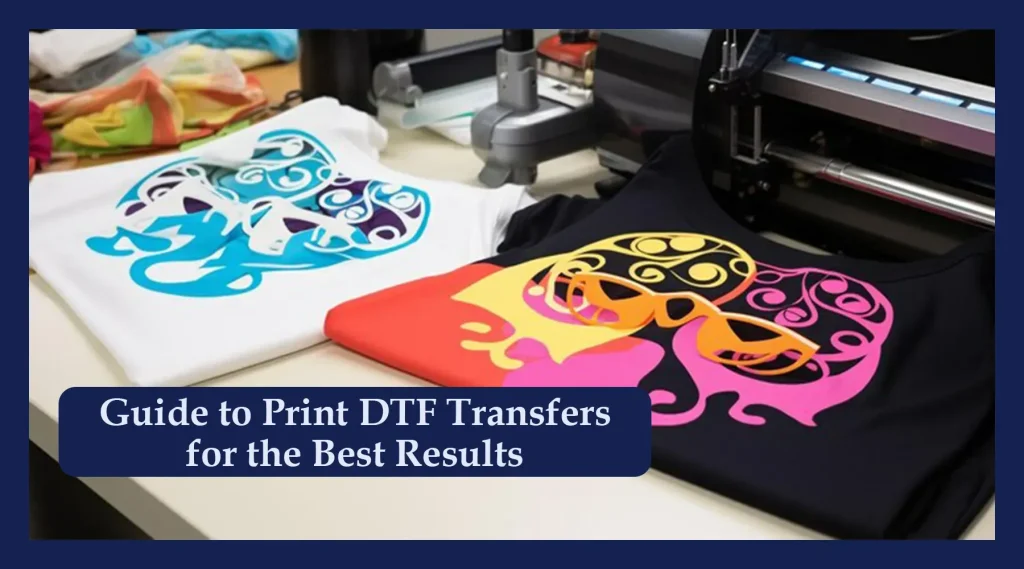
DTF transfers have surged in popularity among crafters, small brands, and screen printing shops, offering vibrant, full-color designs on a wide range of fabrics while preserving a soft hand feel that many other methods can’t match. If you’re weighing DTF transfers vs heat transfer vinyl, you’re choosing between two modern techniques that serve different needs, production scales, and budgets, whether you’re producing a handful of custom tees or scaling a small label. This guide breaks down what this technology is, how it compares to heat transfer vinyl, and the DTF transfer pros and cons you’ll want to consider, including practical notes on setup, color fidelity, and long-term wear. When evaluating the options, heat transfer vinyl vs DTF can matter for edge sharpness, color fidelity, wash durability, and workflow efficiency, especially as you weigh ink costs against vinyl material costs. From DTF transfers use cases across fabrics to practical tips on how to apply DTF transfers, this guide aims to equip you to choose confidently, with recommendations tailored to beginners and experienced shops alike.
Beyond brand names, the technique is commonly called direct-to-film printing, film-based transfers, or digital textile transfer, highlighting the workflow from design to film to fabric. This semantic approach helps designers and buyers connect it with similar garment-printing options, such as textile inkjet prints or vinyl alternatives, without getting hung up on names. In practice, this means you can expect rich color reproduction, a soft hand, and broad fabric compatibility across cotton, blends, and performance fabrics. Understanding these terms helps you evaluate options across suppliers and workflows with greater clarity.
Frequently Asked Questions
DTF transfers vs heat transfer vinyl: which option is best for detailed, full-color designs?
DTF transfers excel at full-color reproduction with smooth gradients and a soft hand. They work well on cotton, blends, and some synthetics, and they let you print multi-color artwork in one pass without weeding. HTV can be faster and cheaper for simple single-color designs, but struggles with fine details and color gradients. In short, for detailed, full-color designs, DTF transfers are typically the better choice.
DTF transfer pros and cons: what should you consider?
Pros: full-color high-resolution reproduction, soft hand, fabric versatility, simpler workflow for multi-color designs, on-demand with low minimums. Cons: higher upfront equipment and consumable costs, post-processing needs, color management challenges, and care considerations. Weigh these against your budget and run sizes.
Heat transfer vinyl vs DTF — how do they compare for durability and edge quality?
DTF transfers offer superior edge quality and color richness, with durable prints that hold up to wash cycles when cured properly. HTV provides strong opaque colors and simple setup for single-color designs but can show limitations in gradients and texture with multi-color layering. For complex artwork and longevity on varied fabrics, DTF transfers often win.
DTF transfers use cases: which projects are ideal?
Ideal for full-color artwork, photo-realistic designs, and garments made from cotton, blends, or some synthetics. Great for on-demand printing and small runs, since you print and transfer in one piece and avoid weeding. Also suitable for multi-color designs without layering vinyl.
How to apply DTF transfers: a practical guide
Follow supplier guidelines; generally: prepress fabric, align transfer, press at 320–350°F (160–177°C) for 10–15 seconds, apply pressure, then cure the adhesive with a light roller and cool before handling. Wash inside out in cold water and avoid high-heat drying or ironing on the print. Always store and handle printed films as directed by your DTF supplier.
| Aspect | Key Points |
|---|---|
| What are DTF transfers? |
DTF transfers are a printing method where designs are printed on PET film, adhesive powder is applied and cured, then heat-pressed onto fabric to produce full-color, detailed images with a soft hand across many fabric types. |
| DTF vs HTV overview |
DTF vs HTV: DTF prints full color in one piece without weeding; HTV relies on vinyl sheets cut and weeded, often multi-layered and more labor-intensive for multi-color designs; DTF is flexible for small runs and on-demand. |
| DTF transfer pros |
|
| DTF transfer cons |
|
| HTV overview |
HTV uses adhesive-backed vinyl sheets cut into shapes or text, then heat-pressed. Weeding and layering are common; best for simple, solid-color designs; reliable on dark fabrics; beginner-friendly and widely available. |
| HTV advantages |
|
| HTV limitations |
|
| Use cases and decision criteria |
|
| Practical tips for optimizing your process |
|
| Future trends |
The garment printing landscape will see ongoing improvements in ink formulations, adhesive powders, and transfer films, with better color accuracy, adhesion on tricky fabrics, and wash durability. DTF transfers are likely to see broader adoption in customization shops, schools, and small apparel brands seeking high-quality prints with low minimums. |
Summary
DTF transfers are a versatile option for apparel customization, delivering full-color, detailed designs with a soft hand. When choosing between DTF transfers and heat transfer vinyl, DTF offers superior color fidelity and more straightforward multi-color artwork, while HTV remains a practical choice for simple designs and fast turnarounds. Your decision should consider design complexity, fabric types, required production scale, and budget. By applying proper curing, heat, and care guidelines, you can achieve durable results that satisfy clients and minimize returns.

