
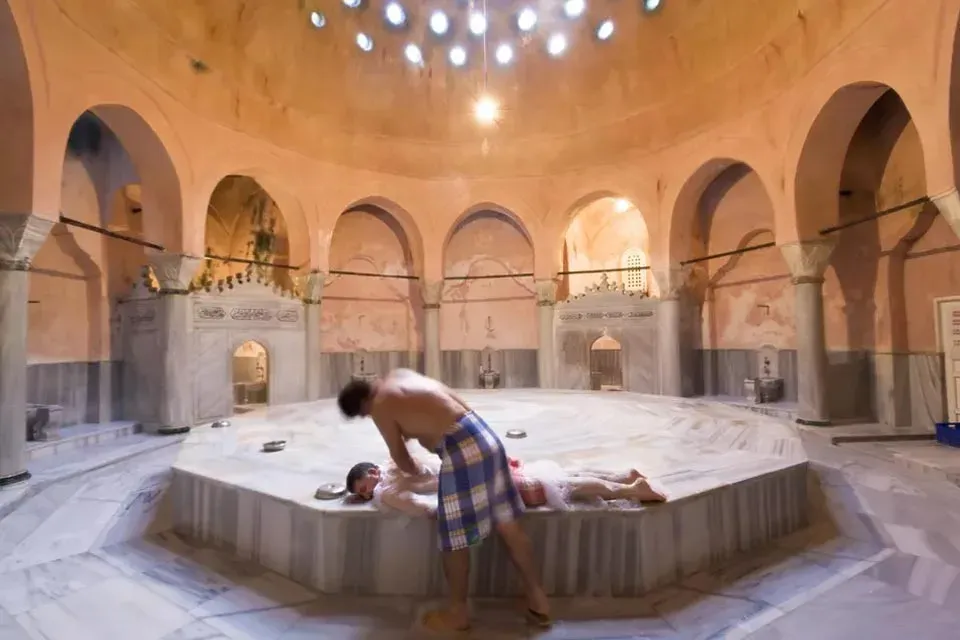
The Turkish bath, a centuries-old ritual of cleansing that blends architecture, culture, and holistic wellness, invites curiosity and calm. Known as the hammam in many regions, this tradition sits at the crossroads of Ottoman bath history, hammam traditions, and Turkish bath history, weaving in steam bath rituals along the way. From Roman thermae to Ottoman-era wellness, the bathhouse emerges as a social space where daily life, hospitality, and self-care converge. Today, the bath continues to offer relaxation, skin health, and mental renewal, while preserving the ceremonial rhythm of heat, cleansing, and cooling. As this heritage travels with modern travelers, it remains a bridge between history and contemporary wellness, helping audiences discover cultural origins through authentic spa experiences.
Across history, public bathhouses served as centers of heat, scent, and social life, where steam rooms and scrub rituals brought communities together. In the Ottoman sphere, the hammam tradition shaped daily routines, architecture, and hospitality, turning cleansing into ceremonial self-care. These thermal spaces evolved from imperial courtyards to cosmopolitan wellness hubs, reflecting an enduring interest in warmth, exfoliation, and mindful relaxation. Modern spas increasingly echo these centuries-old practices by offering steam, massage, and private spaces that honor the history while prioritizing safety and comfort. Exploring this heritage through the lens of design, ritual timing, and social meaning helps readers appreciate why steam-based bathing remains a global touchstone of wellness.
Ottoman bath history: From Roman roots to Hammam architecture
Ottoman bath history unfolds as a dialogue between empire, city life, and personal care. Its roots reach back to ancient civilizations, drawing on Roman thermae and Persian bathing customs, and coalescing into a distinct hammam experience that would define urban leisure in many Islamic and Mediterranean towns. The term Ottoman bath history signals this continuing lineage as baths adopted domed ceilings, warm marble rooms, and a deliberate sequence of heat, suds, and rinsing that offered ritual cohesion in daily life.
Architectural sophistication and social function are inseparable in the hammam tradition. The journey through hot rooms, warmer rooms, and cooling spaces is not merely about cleansing; it is a spatial choreography that invites quiet reflection and communal courtesy. The steam bath rituals embedded in this history helped shape how people perceived wellness, hygiene, and hospitality in an era that prized ceremonial ritual as much as practical cleanliness.
Hammam traditions: The ritual of cleansing and renewal
Hammam traditions begin with a patient rhythm: guests acclimate in a warm space, pores open as heat loosens tension, then move to scrub and massage that exfoliate skin and release stagnation. The attendants, in line with hammam traditions, guide the sequence with fragrant soaps, steam, and measured movements, turning cleansing into a ceremonial act. This is more than cleaning; it’s a discipline of presence that aligns with steam bath rituals across cultures.
This ritual fosters a sense of renewal and social connection, offering quiet contemplation after a busy day. Even as audiences today seek modern wellness benefits—stress relief, skin nourishment, improved circulation—the core is still about mindful self-care performed in a respectful, communal setting, a line that runs from Ottoman-era wellness to contemporary spa experiences.
From Ottoman baths to cosmopolitan wellness hubs
As empires traded and cities grew cosmopolitan, the ottoman bath history evolved by absorbing influences from neighboring regions and evolving spa cultures. The result is a mature network of public baths capable of serving large groups while preserving privacy. The architecture—marble, tile, and carefully scaled spaces—reflected a culture that prized hospitality and ritualized self-care, a testament to the long arc of steam bath rituals blending with Ottoman-era wellness.
Today, those baths sit at the heart of many cities as architectural landmarks and wellness hubs. They function as cultural ambassadors and social spaces, offering steam, cleansing, and restorative services to locals and travelers alike. The journey from Ottoman baths to cosmopolitan wellness hubs demonstrates how Turkish bath history continues to influence modern spa design and guest experience.
Architectural elegance and social function of the Turkish bath
Architectural elegance defines the Turkish bath as an experiential environment. Domed ceilings, intricate tilework, sunken heating pools, and the hararet create a sensorial topography that guides guests through warmth to cool respite. This design—central to the hammam traditions—turns a bath into a mood-setting ritual, where every detail from lighting to acoustics is calibrated to support relaxation and social ease.
Beyond aesthetics, the bath was a social engine, a place where conversations and courtesy flourished. In modern facilities that echo hammam traditions, the same principles reappear: a sequence of warmth, cleansing, and cooling that invites contemplation and belonging. The architectural language of the Turkish bath continues to influence contemporary spa layouts, proving that space design remains a powerful component of wellness.
The Turkish bath in the modern wellness movement
The Turkish bath in the modern wellness movement blends heritage with contemporary luxury. Boutique hammams and high-end spa resorts preserve the essence of Ottoman-era wellness while integrating private rooms, aromatherapy, and advanced climate control. This convergence keeps the steam bath rituals intact while making them accessible to today’s travelers and city dwellers who seek cultural immersion.
For readers and visitors, the Turkish bath offers a tangible link to history and a practical path to stress reduction, skin health, and mental renewal. By engaging with the architecture, ritual sequence, and hospitality that define hammam traditions, guests participate in living history—an experience that respects Turkish bath history while embracing modern safety standards, accessibility, and educational storytelling.
Frequently Asked Questions
What is a Turkish bath and how do hammam traditions shape the steam bath rituals during a visit?
A Turkish bath, or hammam, is a cleansing and relaxation ritual built around heat, steam, and purification. Following hammam traditions, most sessions move from a warm room to a scrub and massage, then to rinse and cooling spaces, with steam bath rituals enhancing sweating, pore cleansing, and mindfulness.
How does Turkish bath history connect to Ottoman bath history and the evolution of public baths in cities?
Turkish bath history traces a path from ancient bath practices through the distinctive Ottoman-era hammam. The design—domed ceilings, marble interiors, and progressive heat zones—made baths social hubs that combined cleansing, hospitality, and communal ritual, influencing modern wellness spaces.
What role did Ottoman-era wellness play in shaping the architecture and social function of a Turkish bath?
Ottoman-era wellness emphasized communal gathering and refined spaces. Baths were architectural landmarks with specific hot, warm, and cool rooms that supported social interaction, ritual cleansing, and relaxation, a heritage carried into contemporary spa settings that preserve those rituals.
What health benefits are associated with steam bath rituals in a Turkish bath, and how are these integrated in today’s spa experiences?
Steam bath rituals in a Turkish bath support relaxation, improved circulation, and skin care by humid heat and cleansing sequences. Modern spas integrate these elements with massage, exfoliation, and aromatherapy to create a balanced wellness experience that respects tradition.
What etiquette should visitors follow when visiting a Turkish bath, and how does this reflect historical hammam traditions and Ottoman bath history?
Visitors should arrive with clean skin, follow the attendants’ guidance, wear modest attire or towels as appropriate, and maintain respectful communication. This etiquette echoes hammam traditions and Ottoman bath history, where ritual, privacy, and courtesy are integral to the experience.
| Aspect | Key Points |
|---|---|
| Intro & Purpose | Turkish bath, also hammam, is a centuries-old ritual blending culture, architecture, and holistic wellness; aims purification, relaxation, and social connection. |
| Historical roots | Origins in public baths across civilizations; hammam uses heat, suds, rinsing; Ottoman baths as social spaces with domed ceilings, marble rooms, and progressive rooms. |
| The cleansing ritual | Sequence: warm area to open pores, scrub and massage, use of steam and fragrant soaps; attendants guide guests; ceremonial cleansing and renewal. |
| Architecture & design | Domed ceilings, tile work, warm lighting; hararet hot room; progression supports ritual and social gathering. |
| Steam, health & wellbeing | Steam opens pores, relaxes muscles, aids breathing; paired with exfoliation and massage for physical renewal and mental calm. |
| Evolution to modern wellness hubs | Baths absorbed influences; large groups, privacy, services; architectural landmarks; evolution into modern spa settings. |
| Social function | Bath as social hub; tradition of cleanliness, hospitality, and community. |
| Etiquette & visiting | Arrival with clean skin; modest attire; communicate with attendant; hydration, punctuality, tipping; respectful participation. |
| Modern wellness movement | Boutique hammams and luxury spas blend traditional rituals with modern comforts; mindfulness, stress reduction, skin health. |
| Legacy & relevance | Understanding origins reveals communal care, space shaping mood, and tradition adapting for safety and accessibility. |
Summary
Turkish bath has long stood as a bridge between culture and personal wellbeing, weaving heat, cleansing rituals, and social connection into a timeless practice. This enduring tradition—from ancient origins to modern spa settings—offers relaxation, mindful self-care, and a sense of community. The ritual cadence of heat, cleansing, and cooling provides physical renewal, mental clarity, and a ceremonial space to slow down in our fast-paced world. Understanding its architectural heritage and evolving services helps readers see how the Turkish bath remains relevant as both heritage and contemporary wellness. Whether visiting a historic hammam or a boutique spa, the Turkish bath invites immersion in tradition and personal renewal.

