
The Turkish Hammam is more than a bathhouse; it is a living tradition that has traveled from the grand Ottoman era to today’s luxury spas. As a cultural hinge between past and present, Turkish bath culture and the refined rituals of hammam architecture shape how travelers and spa goers experience heat, water, and social connection. From its historical roots in Ottoman baths to its modern spa experience, this hammam blends classical design with contemporary comfort. In this overview, we trace core rituals and architectural language while offering practical guidance for visiting or reimagining the Hammam today. Whether you seek quiet renewal or a shared cultural moment, this tradition invites you into a sensory journey of steam bath rituals, marble surfaces, and mindful ritual.
Viewed through related terms, this heritage traces from Ottoman-era bathhouses to contemporary spa culture, echoing a shared tradition of cleansing and ceremony. The hammam tradition, sometimes called Turkish baths, or Turkish bath culture, informs modern wellness spaces with its architectural vocabulary and ritual pacing. Architectural cues—domed ceilings, radiant heat floors, and layered rooms—reappear in many wellness settings as hammam architecture, guiding guests through a prescribed heat and cleansing sequence. The practice centers on steam bath rituals, exfoliation, and massage, which are adapted for today’s preferences while preserving the sense of ceremony. By embracing LSIs, writers and designers can describe the same experience with varied terminology, linking history with the modern spa experience, cultural heritage, and global wellness audiences.
The Turkish Hammam: A Living Tradition Bridging Ottoman Baths and the Modern Spa Experience
The Turkish Hammam is a living tradition that links the grand era of Ottoman baths with today’s global spa culture. This bridge—between Ottoman baths, Turkish bath culture, and contemporary wellness—echoes in design choices, service language, and guest expectations. The space becomes both archive and atelier, where heat, water, and social ceremony mingle to create a shared ritual.
Across historic and modern settings, steam bath rituals guide guests through a sensory journey from cool chambers to warm rooms, culminating in cleansing, exfoliation, and massage. Modern spa experiences honor the sequence with customizable heat, aromatics, and privacy, while preserving the core rhythm that makes hammams a symbol of refinement and social warmth, ensuring that the essence of Turkish bath culture remains vibrant in today’s wellness landscape.
Hammam Architecture: Designing Sacred Space Across Time
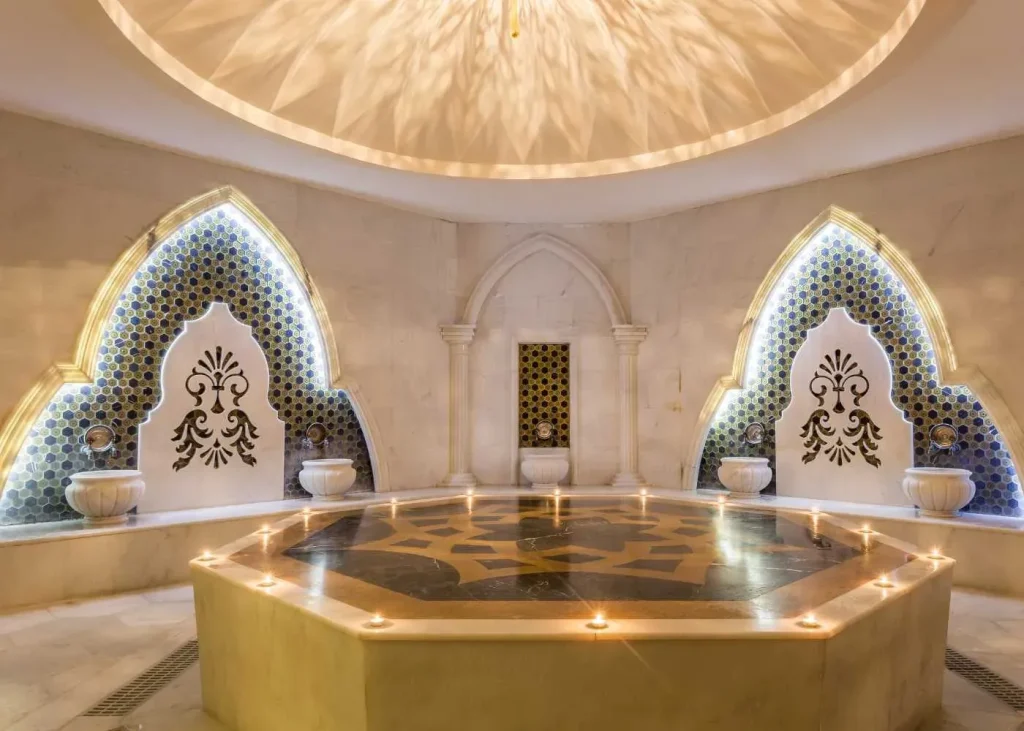
The architecture of the hammam is a language of space: a multi-room progression with a domed ceiling, heated floors, smooth marble, and softly lit walls. This hammam architecture choreographs a spiritual and physical journey, guiding the body from cooling air to humid heat while reinforcing tradition, hygiene, and a sense of ceremonial privacy.
In today’s luxury contexts, designers reinterpret this vocabulary with contemporary materials, sustainable finishes, and accessible layouts. White marble, pale stone, warm woods, and carefully calibrated lighting create a serene palette that honors the original form without compromising safety or comfort, ensuring the architectural language remains legible within a modern spa experience.
The Ritual Language of Steam Bath Rituals
The defining moment of a Turkish Hammam is its ritual sequence: a changing area, a controlled introduction to heat, and the iconic kese exfoliation paired with aromatic soaps. Steam bath rituals soften the skin, relax the muscles, and prepare the senses for a deeper cleanse, all while reinforcing the social choreography that makes hammams feel ceremonial.
A skilled attendant may perform a soap massage with long, deliberate strokes, followed by hydrating oils or masks. Although modern interpretations may incorporate skincare tech or personalized blends, the essence remains the same: a tactile, shared ritual that honors body, breath, and connection to Turkish bath culture.
Public to Private: The Modern Spa Experience and Etiquette in Turkish Hammams
The traditional public bath model has shifted toward intimate, privately bookable spaces within hotels and wellness centers, aligning with the modern spa experience while preserving the communal spirit of the hammam. In many settings, etiquette guides guests on gender-specific hours, respectful behavior, and mindful pacing, enabling a safe, inclusive experience.
Practical tips emphasize arriving with clean skin, following practitioner guidance for exfoliation and massage, and choosing appropriate attire. Hydration and clear communication about sensitivities ensure comfort and safety, while still leaving room for the social warmth and ceremony that define Turkish bath culture.
The Future of the Turkish Hammam: Global Wellness, Sustainability, and Heritage
Looking ahead, the Turkish Hammam remains a cornerstone of cultural heritage within the global wellness landscape. Hotels and retreat brands celebrate authentic experiences that fuse local storytelling with high service standards, appealing to travelers seeking historical context alongside a modern spa experience. The enduring appeal rests on preserving Ottoman baths traditions while inviting new audiences to participate in steam bath rituals.
To sustain relevance, practitioners emphasize sustainability, conservation of architectural features, and careful curation of traditional fragrances and oils. As the world embraces holistic wellness, hammams can innovate through training, accessibility, and complementary therapies, ensuring that hammam architecture, rituals, and social meaning endure for generations.
Frequently Asked Questions
What is a Turkish Hammam and how does it reflect Ottoman baths and Turkish bath culture?
A Turkish Hammam is a traditional cleansing ritual conducted in a heated, marble-lined space. It traces back to the Ottoman baths and embodies Turkish bath culture through a formal, multi-room thermal journey of heat, cleansing, exfoliation, and massage. In modern spa experiences, this heritage informs design, privacy, and service while offering contemporary comfort.
How does hammam architecture shape the experience, and how is it adapted in the modern spa experience?
Hammam architecture relies on a sequence of temperature zones, heated floors, domed ceilings, and soft lighting to create a ceremonial atmosphere. In the modern spa experience, designers preserve that architectural language with cleaner palettes and accessible layouts, balancing authenticity with everyday comfort. The result is a seamless bridge between traditional hammam architecture and contemporary wellness spaces.
What are the essential steam bath rituals in a Turkish Hammam, and how do they translate in contemporary settings?
Core steam bath rituals include gradual heating, cleansing with a kese exfoliation, soap lather, and a rhythmic massage. In contemporary settings, these steps can be customized with skincare touches, essential oils, and optional treatments while preserving the ritual’s tactile, cleansing rhythm.
How can a first-time visitor choose a Turkish Hammam that respects tradition while delivering a modern spa experience?
Choose venues that honor traditional rituals and hygiene standards, and offer clear safety and accessibility options. Look for authentic exfoliation and massage options, privacy preferences, and transparent policies that align with a modern spa experience while respecting Ottoman baths heritage.
What etiquette and cultural significance should visitors know when engaging with Turkish bath culture in a Hammam, especially in shared spaces?
Etiquette includes arriving with clean skin, following staff guidance for exfoliation and massage, and respecting shared spaces. Understanding Turkish bath culture and the role of ritual space helps guests navigate gender norms and privacy—patterns that persist even as Hammams embrace the modern spa environment.
| Aspect | Key Points |
|---|---|
| Evolution and Context | Origins in Ottoman baths; social centers for purification and life events; architecture supporting heat, water management, and public space; modern spa settings balance heritage with hygiene and luxury. |
| Rituals and the Sensory Language of Steam Bath Rituals | The ritual sequence includes changing area, gradual heat, exfoliation with kese, soaps or oils, and traditional massages; it is a meditative, sensory experience; modern editions add skincare, essential oils, and personalized treatments. |
| Architecture as a Pathway | A multi-room journey through temperature zones with heated floors, marble/plaster walls, and soft lighting; traditional domed ceilings; contemporary designs use light palettes and sustainable materials to balance authenticity with comfort and safety. |
| From Public Baths to Private Luxury | Shift from public, gender-segregated baths to privately booked experiences in hotels/spas; emphasis on privacy, customization, and selectable heat, textures, and add-ons; oils and traditional scents preserved. |
| Cultural Significance, Etiquette, and Evolving Social Experience | Etiquette guidelines and venue variations; some places offer gender-specific days, others mixed environments; the social function persists as community and ritual within private, customizable contexts. |
| Choosing the Right Hammam Experience | Research authenticity and hygiene; understand treatment options and heat tolerance; arrive with clean skin, hydrate, and communicate sensitivities; follow guidance and respect venue norms. |
| Living Heritage: The Future of the Turkish Hammam in Global Wellness | Hotels and wellness brands blend Hammam heritage with luxury service; emphasis on sustainability, authentic storytelling, and global accessibility; ongoing evolution inviting new audiences while honoring tradition. |
Summary
Turkish Hammam stands at the crossroads of history and contemporary wellness, inviting readers to experience a ritual that weaves Ottoman heritage with modern luxury. Its architecture, steam, exfoliation, and cleansing rituals create a sensorial narrative of renewal and connection. Across historic public baths and modern spa settings, the Turkish Hammam continues to adapt—preserving traditional scents like olive oil and eucalyptus while embracing personalized treatments, safety standards, and sustainable design. This enduring practice remains a cultural hinge, offering not just relaxation but a dialogue between past and present that speaks to travelers, locals, and wellness enthusiasts alike.

